
Information Central: Transforming the Hub of Your Racquet Sports Operation
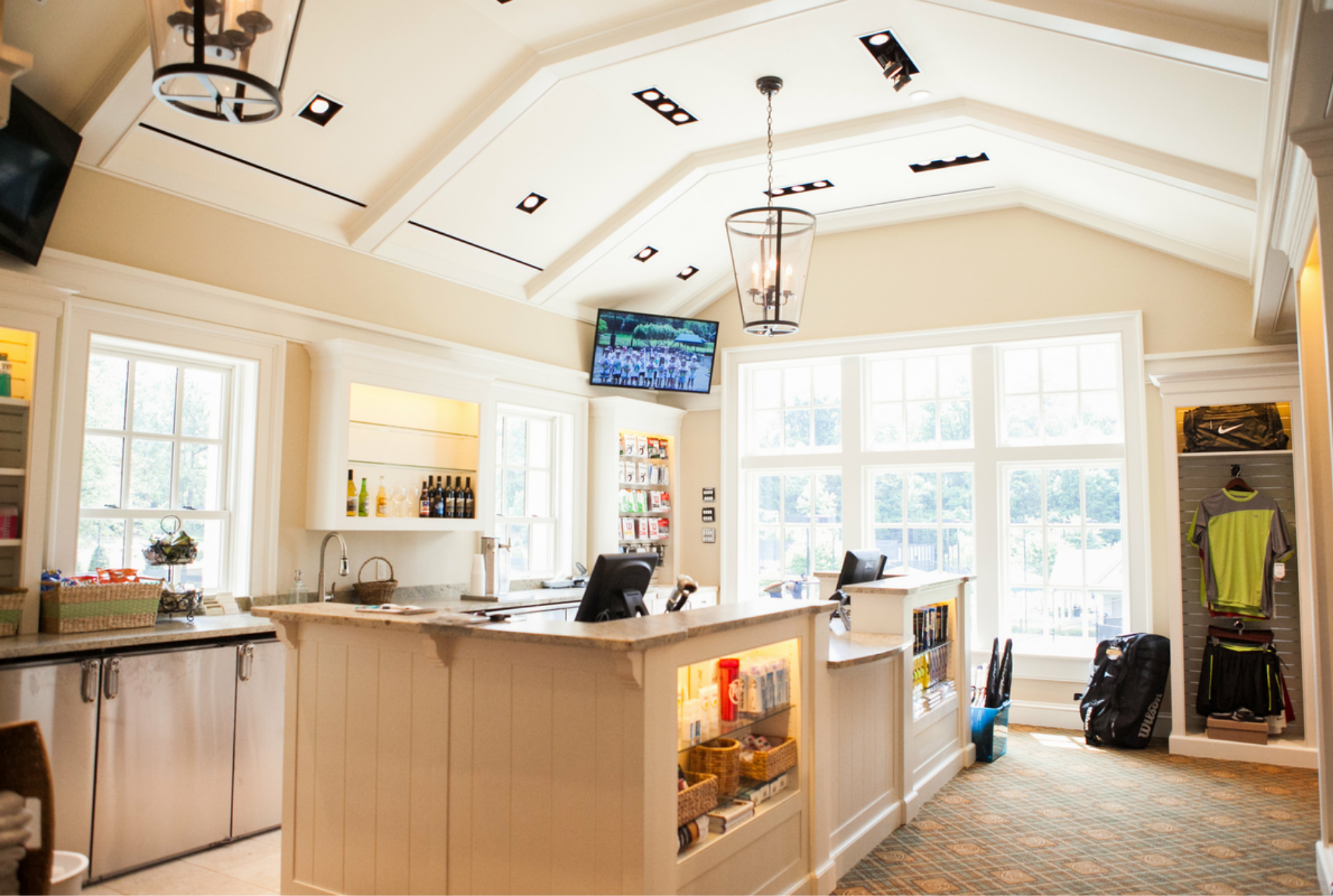
In the modern racquet sports facility, the front desk and retail space are often overlooked as mere administrative corners. However, as discussed in the latest CRSE module, these areas represent the "Information Central" of any successful operation. They serve as the primary venue for member interaction and the central hub for consistent communication, which can ultimately make or break a department's reputation.
The "Director of First Impressions"
The front desk staff should be viewed as more than just receptionists; they are the "Directors of First Impressions". Their personality and training are imperative because they touch the lives of almost every member who enters the facility. To ensure this experience is seamless, clubs must move away from reactionary management and toward identifiable and repeatable processes.
Implementing a comprehensive Standard Operating Procedure (SOP) manual is essential for maintaining consistency. A well-crafted SOP should cover everything from emergency handling and court reservations to merchandise receiving and inclement weather updates. This ensures that if a staff member is absent, another can step in and provide a consistent experience for the member.
Driving Efficiency Through Cross-Utilization
Operational efficiency is significantly boosted when staff are cross-utilized across various club amenities. At busy facilities, this might mean staff moving between the fitness center, the aquatics area, or the snack bar to support high-traffic periods.
Cross-utilization also extends to technical duties, such as stringing racquets or setting up ball machines. Beyond mere logistics, these "extra" efforts often build the most trust with members. For example, a director assisting with towel management at a busy pool area can endear themselves to the membership more effectively than their primary teaching duties. Furthermore, professional teaching staff should have significant overlap in their roles, contributing to merchandising, inventory control, and program promotion.
Enhancing Engagement and Retail Profitability
To improve member engagement, facilities should think "outside the box" to create a welcoming atmosphere. Simple additions, such as a "coffee corner" with music and a TV, can transform a stagnant pro shop into a social lounge where members want to linger, directly leading to increased sales.
When it comes to retail, the goal is to shift from a "service-only" mindset to a profitable one by utilizing professional business tools:
• Data-Driven Planning: Success is not based on luck but on data-driven strategic plans that align with the overall club vision.
• Open to Buy (OTB): Implementing an Open to Buy plan allows retailers to stock the right products at the right time by tracking inventory needs versus availability.
• Strategic Layout: Use the psychology of color—such as red for urgency and blue for trust—to guide member behavior. Additionally, placing sale items behind new inventory ensures members see the latest high-margin arrivals first.
Building a Cohesive Culture
Ultimately, the front desk is where the club’s culture is executed. Whether it is through a specific philosophy like the Ritz Carlton’s "ladies and gentlemen serving ladies and gentlemen" or simple personal invitations to events, the staff’s communication style dictates how members feel about their experience.
Consistency is the ultimate benchmark of success. When members know they can rely on a consistent schedule and professional interaction, they are more likely to plan their lives—and their vacations—around the club’s calendar. By integrating professional retail operations with a highly trained, cross-functional front desk team, racquet sports leaders can transform their facilities from simple courts into thriving, efficient communities.