

articles & resources for racquet sports directors and leaders
From Tennis Director to Racquets Leader: Redefining Success in the Modern Club
The traditional role of the tennis director is undergoing a radical transformation. In today’s high-performance club environment, success is no longer measured solely by hours spent on the court or the quality of a single-sport program. Instead, the modern "member-centric racquets leader" is defined by their ability to drive community engagement, foster staff growth, and maintain a visionary outlook on the industry.
Information Central: Transforming the Hub of Your Racket Sports Operation
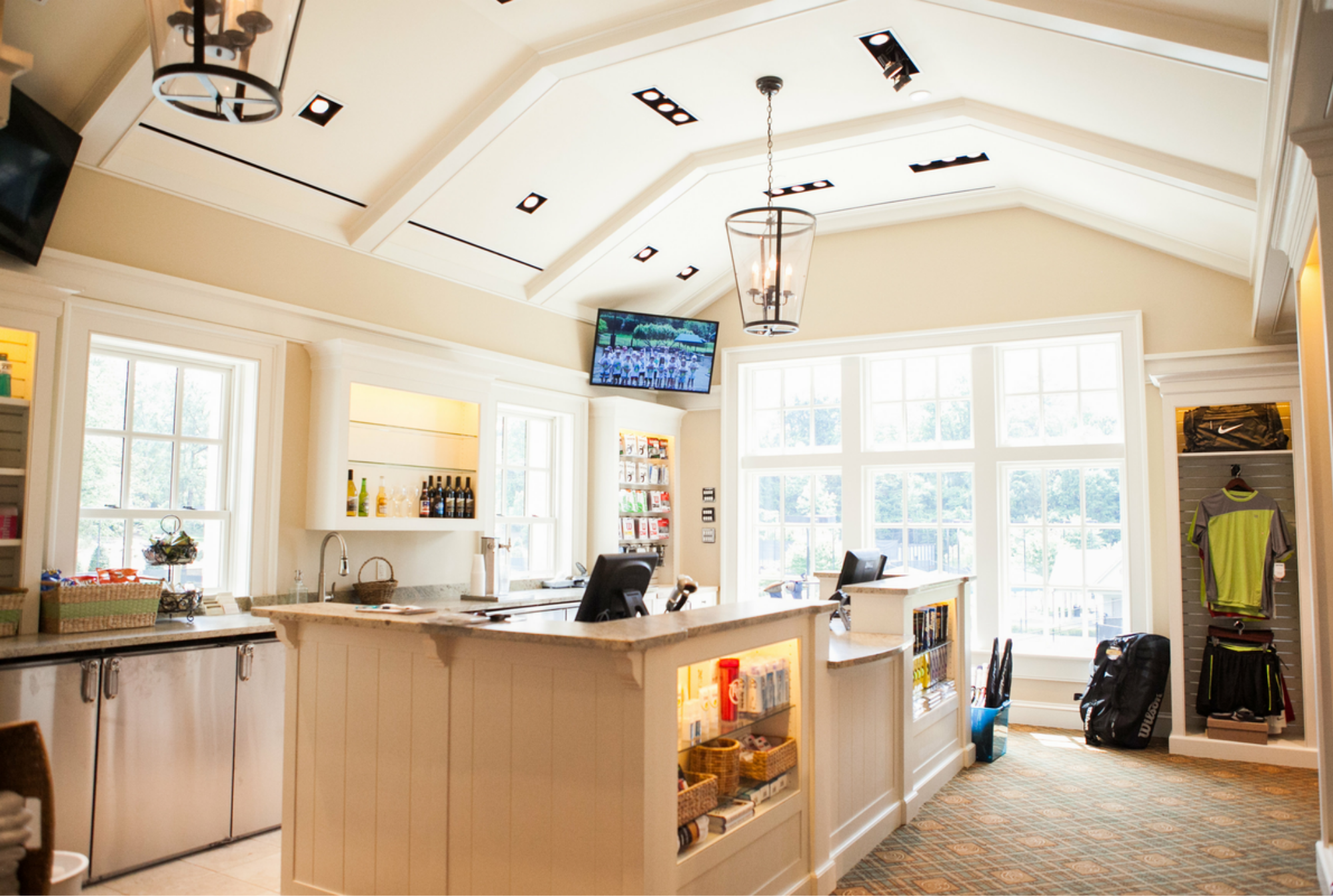
In the modern racket sports facility, the front desk and retail space are often overlooked as mere administrative corners. However, as discussed in the latest CRSE module, these areas represent the "Information Central" of any successful operation. They serve as the primary venue for member interaction and the central hub for consistent communication, which can ultimately make or break a department's reputation.

Beyond the Budget: Why Racquet Sports Executives Need a Business Plan
For racquet sports executives, the annual operating budget is a fundamental tool—it defines the dollars and cents for the next 12 months. But confusing this financial forecast with a comprehensive business plan is a costly mistake that limits growth and strategic clarity. A business plan drives the budget, reflecting only a small part of a broader planning process.
The key difference lies in scope and purpose. While the budget offers a tactical, short-term view of costs and revenues, the business plan provides a strategic vision, often spanning two to three years.

5 lessons learned as a new director of racquets
While serving as a Director and observing other well-respected leaders, I quickly came to realize that they don’t always have the answer but possess a commitment to learn and seek out information.
If you are currently serving as a new Director of Racquet Sports, or you are on your way to the role, then my hope is that you find these lessons learned useful on your journey.
Leading the Racquets Revolution: Communicating Across Generations in a Multi-Sport World
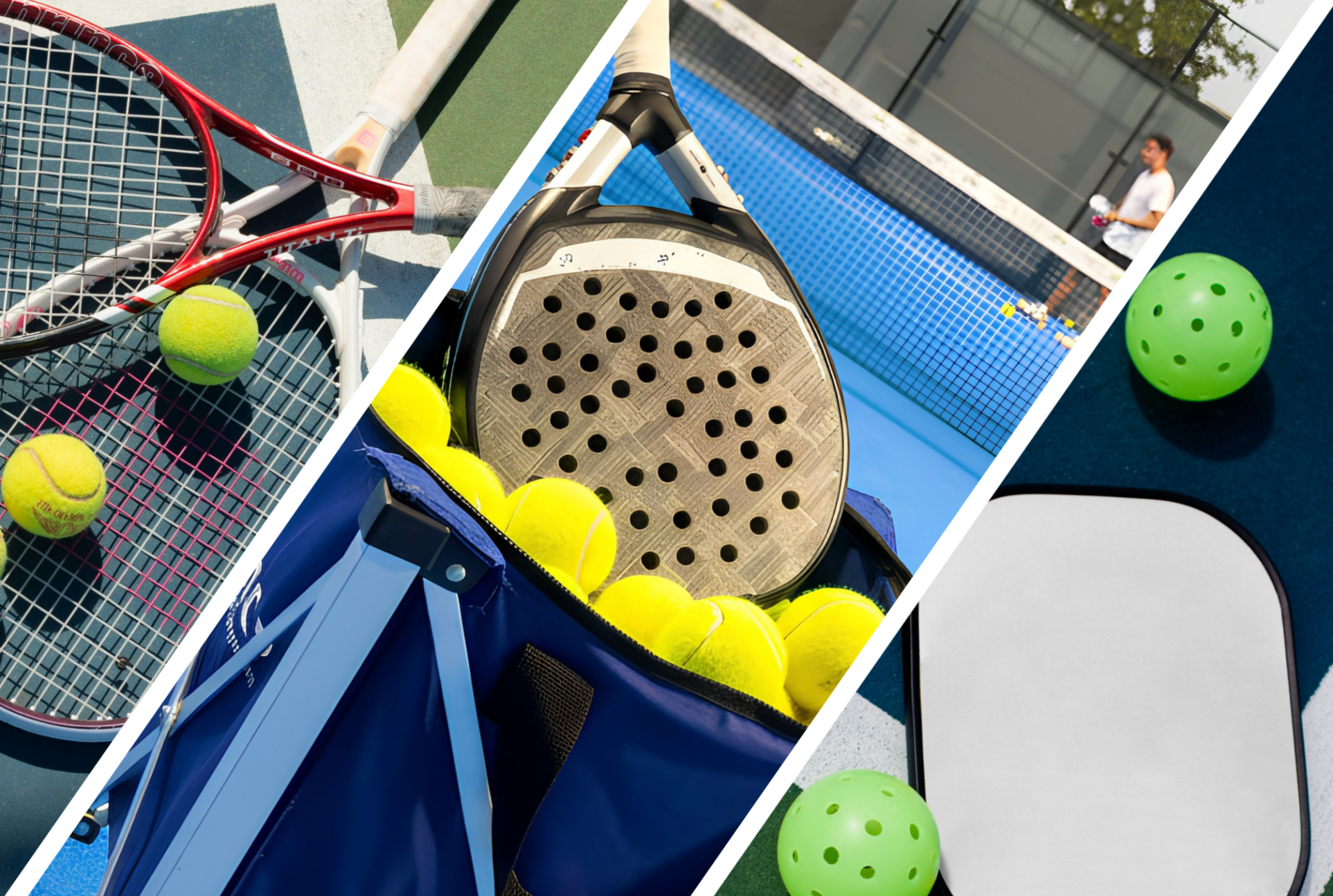
The racquet sports industry is currently undergoing a seismic shift. As market demand for pickleball, beach tennis, and other recreational amenities surges, traditional tennis directors must move beyond "professional comfort" to become holistic racquet sports leaders. However, the greatest challenge in transitioning to a multi-sport model isn't just about painting lines on a court; it is about communicating the "why" across a membership and staff that spans six distinct generations.
Future-Proofing Your Club: Why a Comprehensive Capital Study is Your Greatest Asset
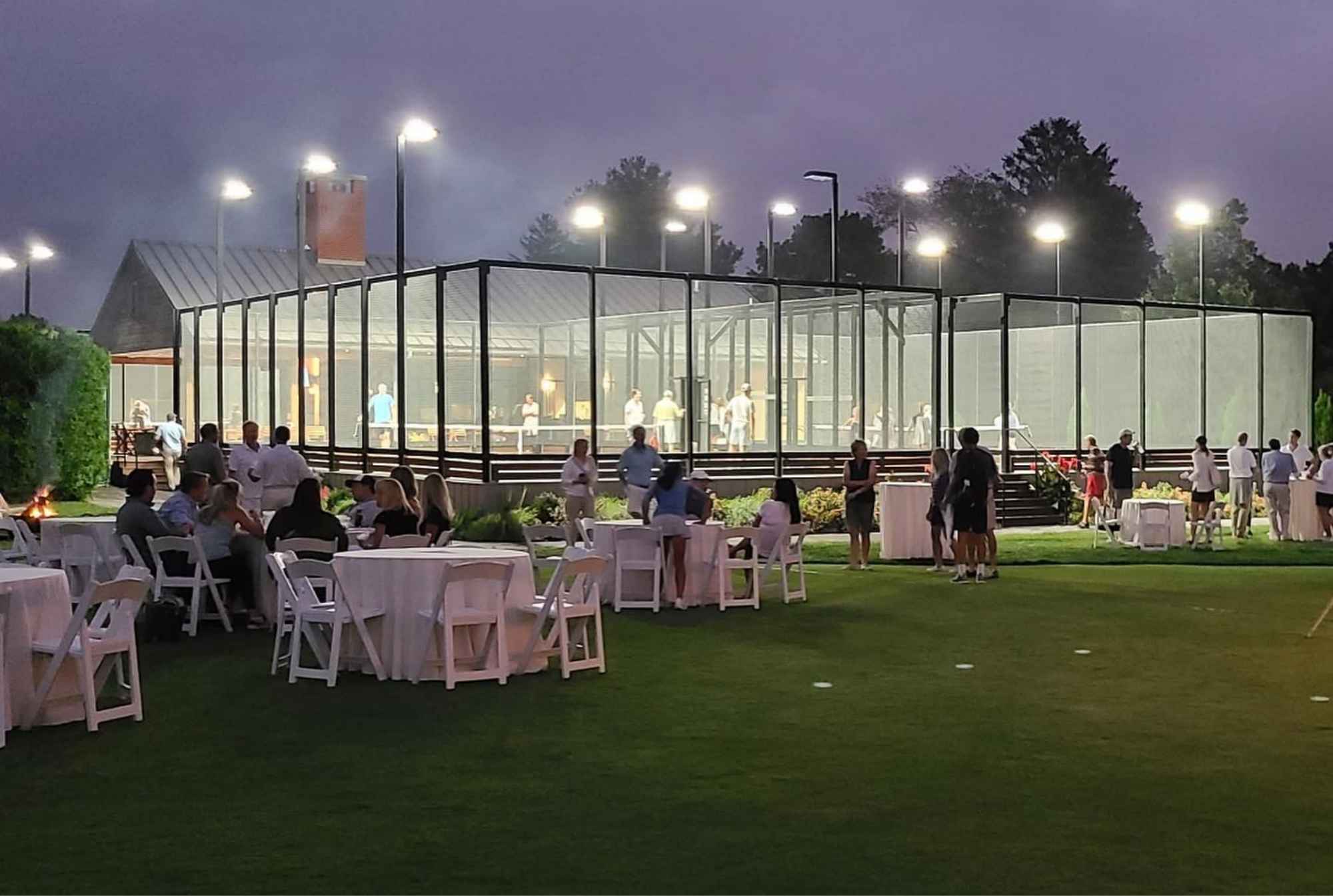
In the competitive landscape of club management, leadership is often caught in a tug-of-war between maintaining aging infrastructure and pursuing "aspirational" new amenities. Without a data-driven roadmap, clubs frequently fall victim to impulsive spending or unexpected financial crises. Drawing on insights from industry veteran Brian Armstrong, it is clear that a comprehensive capital study is not just a financial document—it is a critical shield that protects a club’s future.

Financial Strategy in Racquet Sports Management: Beyond the Numbers
Financial trends and budgeting practices are at the core of strategic decision-making in racquet sports management. They shape daily operations, long-term programming, staffing models, and a club’s overall relevance. Understanding how finance drives strategy is essential for directors seeking to elevate their leadership and align departmental goals with the broader mission of the club.

What GMs expect from their Director of Racquet Sports
An astute General Manager will understand how the Director of Racquets sees the club’s racquet program currently and where the program should move into the future, and trust the Director of Racquets to act on his/her behalf.

Creating the Desired Relationship
Most GMs of a full-amenity club spend time with their Chef and their F&B Department by spending time "working the dining room" or "helping in the kitchen." It is widespread, if not expected, that the GM spends time with their Superintendent on the golf course--what GM hasn't heard; "The golf course is our greatest asset." A good GM walks the buildings with their facilities engineer often to address issues. A good GM spends time with the Golf Pro.

Cross Generational Communication and Why it Matters
As humans, we spend our lives communicating, and as leaders we are expected to use thoughtful communication to convey messaging that’s easy to understand, allays concerns, and is constructive in nature. The most effective way to communicate is to keep in mind who you are communicating with—in other words, know your audience! We live in an unprecedented time in which our society is comprised of five generations—all shaped by the times in which they were raised. Each generation has communication style preferences that dictate how best to manage and effectively relate to them—both personally and professionally.